The Sun -
A Cosmic Anchor in a Chaotic World
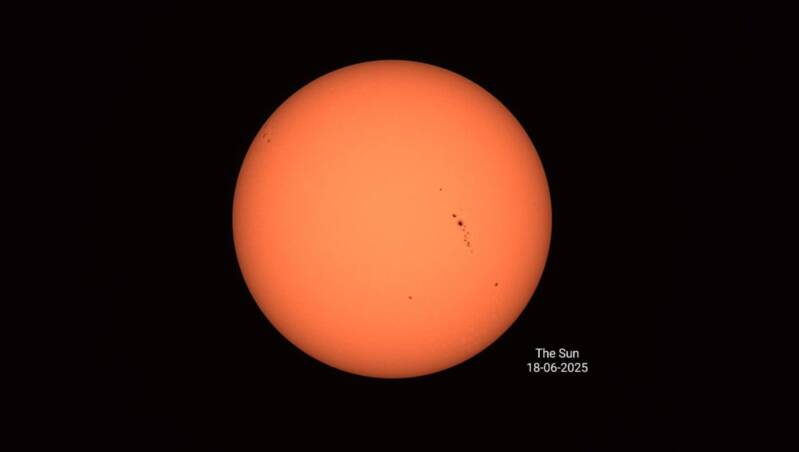
There’s a moment that happens each time we look toward the sun—whether through a camera lens, a window, or simply by feeling its warmth on our skin. It pulls us outward and inward at the same time. Outward, toward a universe far larger than our own pain. Inward, toward something steady at the core of who we are.
For many of us living with trauma, anxiety, or the aftermath of PTSD, life can feel fractured. Days can collapse into moments of overwhelm, and our nervous system can act as if danger still lives in the room. But the sun reminds us of something essential: no matter how chaotic our internal world becomes, there is a force that rises every single day in complete reliability.

A Star That Never Stops Showing Up
Scientifically, the sun is a massive sphere of hot plasma, powered by nuclear fusion, converting over 600 million tons of hydrogen into helium every second. It’s been doing this for 4.6 billion years and will continue for billions more.
But the part that matters to us—emotionally—is simpler:
The sun is the most consistent thing in our entire solar system.
It rises.
It warms.
It illuminates.
It returns.
That predictability is something the traumatised brain craves. A nervous system shaped by chaos longs for anything that is unwavering. When your internal world feels unstable, anchoring yourself in something cosmically reliable can create real mental rest.
Light as Medicine
Sunlight triggers the release of serotonin, the neurotransmitter associated with calm, stability, and emotional well-being. It also synchronises our circadian rhythm, something PTSD can severely disrupt.
Just a few minutes of morning sunlight has been shown to:
* reduce cortisol spikes
* support more restful sleep
* soften symptoms of depression
* gently regulate the nervous system
No spiritual metaphors needed—this is biology. But sometimes biology feels a lot like grace.
Photographing the Sun: A Practice in Presence
When you photograph the sun, something unique happens:
* You can’t rush it.
* You can’t control it.
* You can only witness it.
The camera becomes a grounding tool.
Your breath slows.
Your focus narrows.
Your awareness shifts from inside—where the storms live—to the outer world, where the sun waits patiently for you to look up.
Each image captures not just light, but a moment of your own presence. A place where your mind touched stillness.
The Sun as a Reminder in Healing
Many people healing from trauma feel as though they’re living in darkness. But darkness is not an enemy—it’s simply the place where light has not arrived yet.
The sun teaches us that light doesn’t erase darkness; it meets it.
Slowly at first. Then fully. Then generously.
Healing works the same way.
Not all at once. Not in a perfect line. But in cycles.

A Quiet Invitation
Next time you look at one of these sun images—your images—let it be more than a photograph. Let it be a reminder:
The world is bigger than the moment you're in.
You are not failing; you are healing in your own rhythm.
Light returns, even on days it doesn’t feel like it will.
And you, too, are more resilient than you realise.
Just like the sun, you rise.
Sometimes behind clouds.
Sometimes quietly.
But always, inevitably, you rise.